
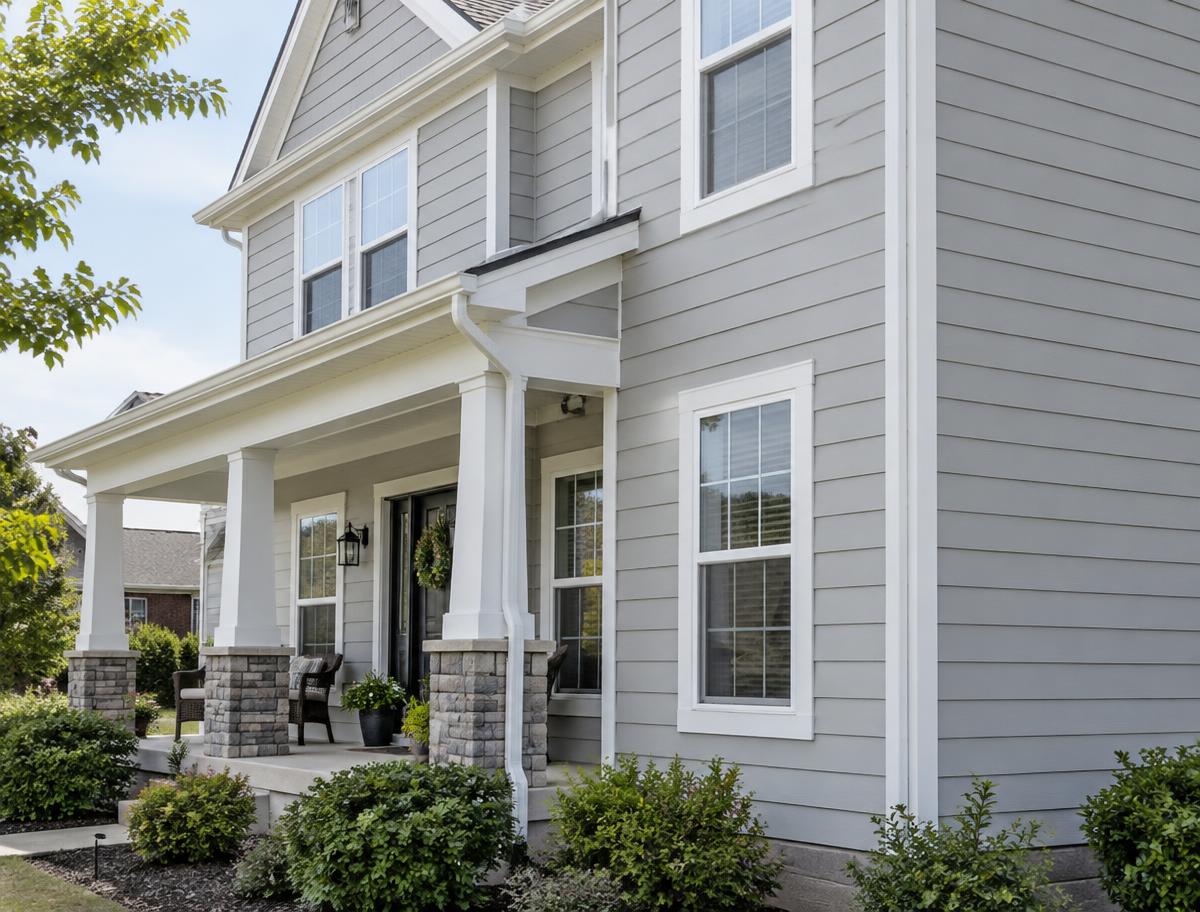
"How much does James Hardie siding cost?" is one of the first questions we hear, and the honest answer is that nobody can give you a real number for your house over the phone. Two homes of the same size on the same street in Chesterfield or Kirkwood can come in far apart, because the price depends on what is under the old siding, how much trim there is and which products you pick.
What we can do is show you exactly what moves the number. Here are the eight factors that shape James Hardie siding cost on a St. Louis home, plus why the winter months are a smart time to plan a spring project.
Why fiber cement estimates vary so much
Fiber cement is a different material from vinyl or wood, and it installs differently. The manufacturer's instructions govern fastening, cut-edge treatment and clearances. That means the condition of your walls, the details around every opening and the product you choose all affect labor and materials. Choosing the product is only part of the project.
The 8 factors that shape your price
1. The size and shape of your walls
More wall area means more material and more labor, but shape matters as much as size. Tall gables, second stories, bump-outs and lots of corners take longer to side than a simple ranch with long, flat walls.
2. Removing the existing siding
Most projects start with tearing off what is there now. How much siding there is, what it is made of and how it was installed all affect removal time and disposal.
3. What is underneath
This is the factor that surprises people most. Once the old siding comes off, damaged sheathing or moisture problems may need repair before new siding goes on. James Hardie siding should not go over damaged surfaces. Hiding moisture damage or a poor substrate is not a substitute for preparing the wall, and we assess what is underneath before new material goes up.
4. Moisture management and flashing details
Weather barrier, roof-to-wall flashing and window and door flashing are what keep water out of the wall. These details deserve a clear line in your proposal. Homes with lots of rooflines meeting walls need more of this work.
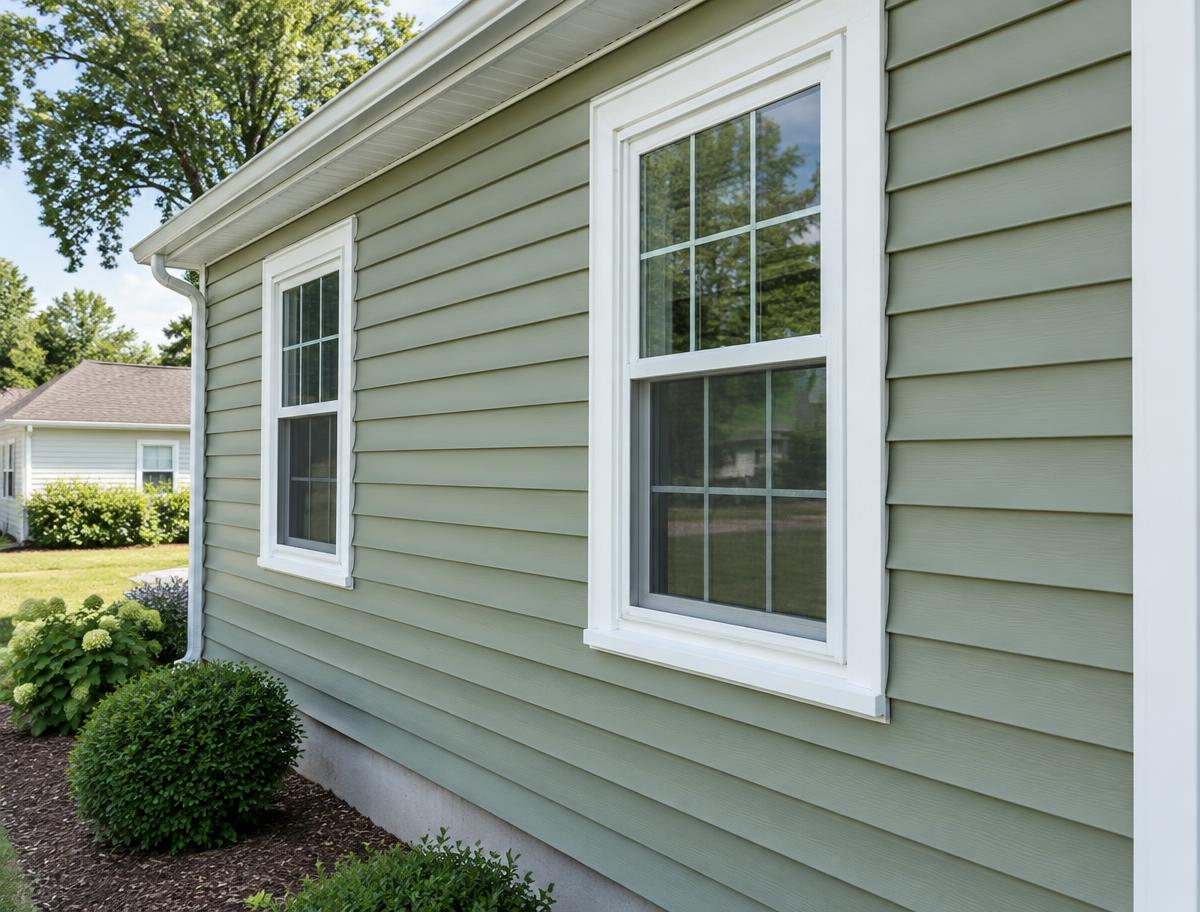
Trim around windows and doors is one of the biggest variables in a siding scope.
5. Profile and texture
Lap siding, panels and accent options like shingle or board-and-batten looks are priced differently and take different amounts of time to install. Mixing profiles, such as lap siding with gable accents, can look great but adds transition details. Product lines and finishes vary, so compare current samples and specifications.
6. Finish choice
Fiber cement comes factory finished or field finished. The choice affects the upfront cost and the upkeep afterward. Fiber cement is not maintenance-free, and finish care depends on the exact product, so follow the manufacturer's instructions and warranty terms for what you select.
7. Trim, corners and openings
Every window, door, corner and roofline needs trim. A home with many windows or decorative trim has more cutting and detailing than a home with a few large openings. Coordinating the texture and color with your roof, masonry and window trim is part of this step too. Many St. Louis homes combine brick with siding, and those transitions take care.
8. Related work and sequencing
Gutters, windows and roof intersections affect siding work. If you are planning new gutters, replacement windows or soffit and fascia repair, it often makes sense to coordinate them so trim and flashing only get done once. Product availability and the final scope then set the schedule.
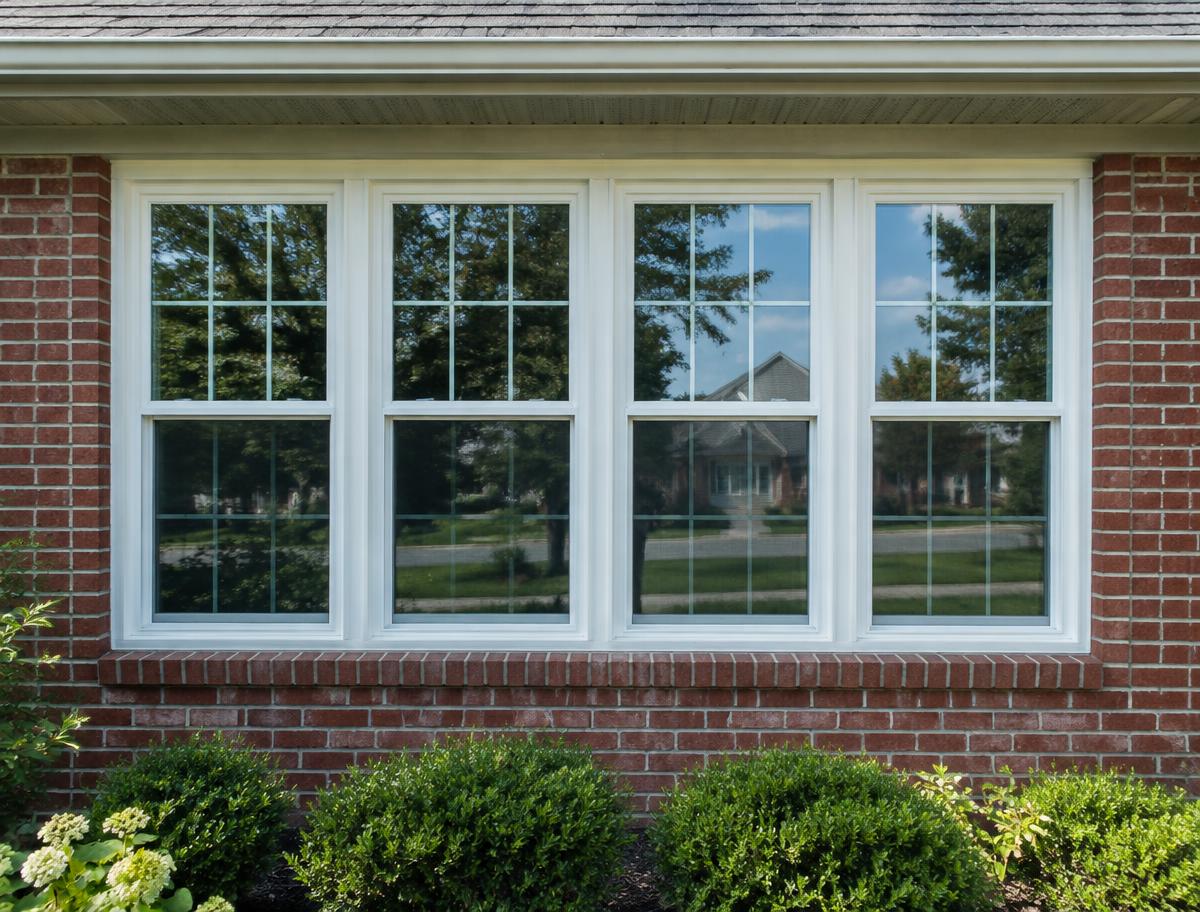
If new windows are on your list, sequence them with the siding so the trim and flashing only get done once.
Comparing quotes? Make sure each proposal names the exact product, profile and finish, explains the flashing transitions, and states the product and installation warranty terms in writing. Without those details, two prices aren't really comparable.
Fiber cement vs vinyl: a quick comparison
Many homeowners weigh James Hardie against vinyl. Here is how they differ in general terms.
- Look. James Hardie fiber cement: Defined texture, looks like painted wood. Vinyl siding: Wide range of profiles and colors.
- Upkeep. James Hardie fiber cement: Depends on finish; follow product care instructions. Vinyl siding: No routine painting; periodic cleaning.
- Strengths. James Hardie fiber cement: Strong resistance to rot, pests and fire. Vinyl siding: Often chosen to avoid painting.
- Installation. James Hardie fiber cement: Product-specific fastening, cut edges and clearances. Vinyl siding: Must allow for the material's movement.
Neither one is best for every Missouri home. Appearance, upkeep expectations, wall condition and installation requirements all matter. Our siding types page goes deeper on the options.
Use the winter to plan a spring siding project
Siding is a big decision, and the slower months are a good time to make it without rushing. Over the winter you can:
- Collect photos of homes you like and decide on horizontal, vertical or accent profiles.
- Look at current samples in daylight against your brick, roof and trim, rather than choosing from a single screen image.
- Compare maintenance instructions, not just product photos.
- Get a site visit and written scope so the project is ready to schedule once product availability and weather line up.
Get an estimate built for your house
The fastest way to a real number is a look at your walls. Call our Ellisville office to talk through James Hardie siding, the profile you have in mind and any existing damage you have noticed. We document what we see with photos and measurements and give you options, scope and scheduling in plain language. We work across St. Louis County, St. Charles County and the Metro East, from Wildwood and Ellisville to St. Peters, O'Fallon, Shiloh and Glen Carbon.
Planning new siding? Call (314) 370-7897 or request a free inspection at exteriorbuildingsolutions.com.
Frequently asked questions
Why choose fiber cement siding?
Fiber cement offers the look of painted wood with strong resistance to rot, pests and fire, and pre-finished options reduce repainting needs.
Is fiber cement siding maintenance-free?
No. Finish care and inspection requirements depend on the selected product. Review the manufacturer's instructions and warranty rather than assuming no maintenance is needed.
Can James Hardie siding go over damaged existing siding?
The wall and installation requirements need assessment first. Covering moisture damage or an unsuitable substrate is not a substitute for preparing the exterior properly.
Why can't I get a price over the phone?
Wall condition, removal, trim, flashing details and the product you choose all change the cost. A site visit with measurements is the only way to give you an accurate written estimate.