
Choose Repairs That Protect Your Home Before Winter
October is a smart time to address roof repair in Belleville, Illinois before leaves, heavy rain, freezing temperatures, and winter storms turn a small problem into a bigger one. We look at your roof’s shape, age, drainage, and recent weather exposure because the right repair is never one-size-fits-all.
Many homes have asphalt shingle roofs, while low-slope systems are common on additions, porches, multifamily properties, and commercial buildings. When we identify the correct repair method early, we can help limit interior leaks, wet insulation, mold concerns, damaged roof decking, and the chance that a repairable issue grows into a replacement need.
How Roof Shape Changes a Repair Strategy
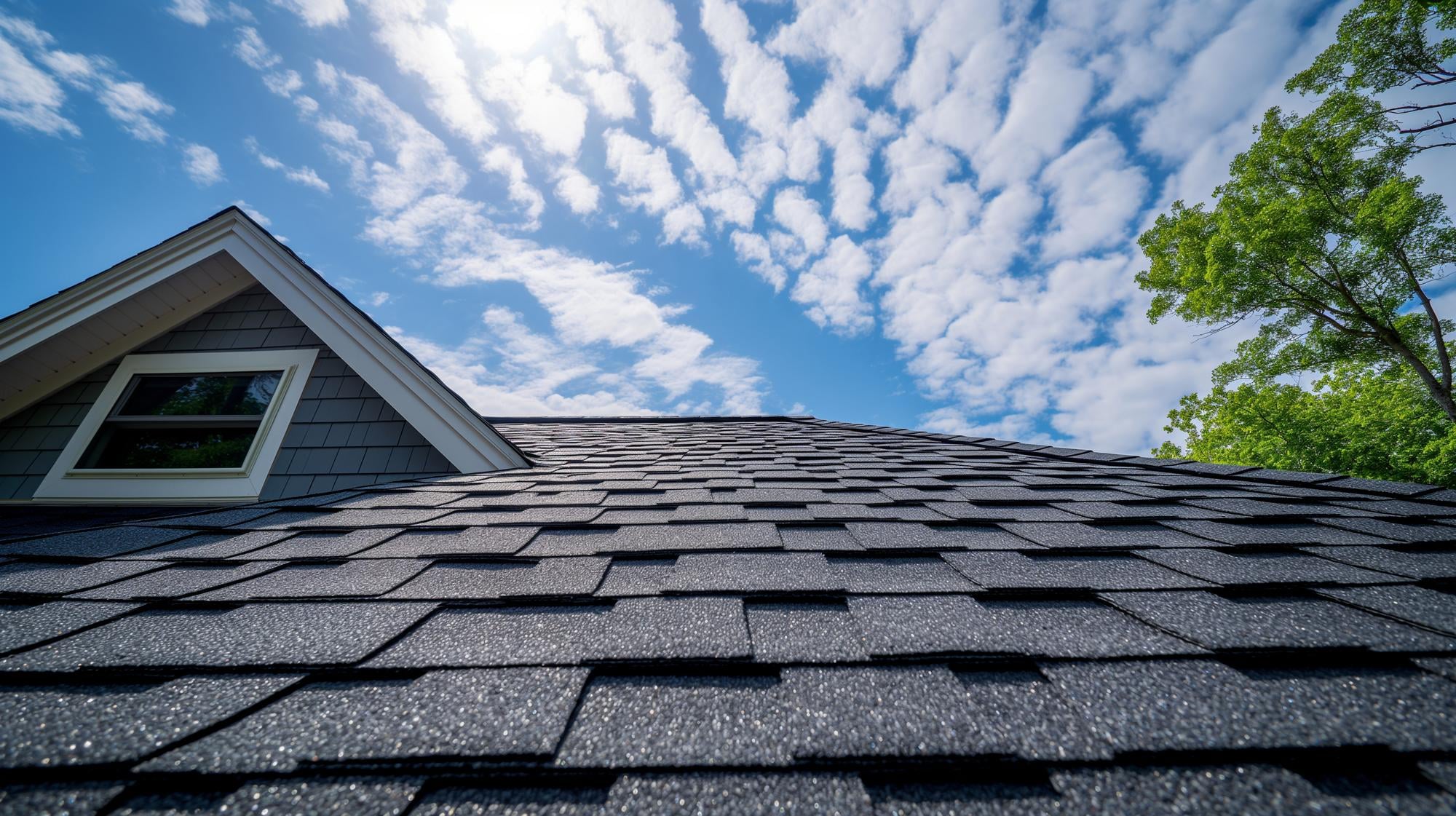
Shingle roofs are built to shed water downhill. Overlapping shingles, underlayment, flashing, roof valleys, ridge vents, and sloped planes all work together to move rain away from the home. When damage occurs, we often inspect for broken or missing shingles, loose flashing, nail pops, and weak areas around chimneys, vents, and valleys.
Low-slope roofs handle water differently. Because water moves more slowly across their surface, these roofs depend on continuous waterproof membranes, sealed seams, drains, scuppers, edge details, and flashing. A small opening can allow water to move beneath the membrane before it appears inside.
The stain on a ceiling is not always directly below the actual roof failure. That is why we recommend a professional inspection when you notice signs such as:
- Water stains on ceilings or walls
- Granules collecting in gutters
- Loose roofing materials or flashing
- Blistered roofing surfaces
- Standing water or recurring leaks
Repair Low-Slope Roofs Before Water Spreads
On low-slope systems, small defects can lead to wide moisture spread beneath the roof surface. We commonly find punctures in the membrane, cracked coatings, loose seams, failed flashing, blocked drains, and leaks around HVAC equipment, skylights, vents, or parapet walls.
A proper repair depends on the roof material and the condition beneath it. We may patch compatible membrane materials, reseal seams, restore flashing, improve drainage, replace damaged insulation, or repair protective coatings. Material compatibility matters because products that do not work together may fail sooner and leave the roof exposed again.
Fall debris creates another concern. Leaves can clog drains and scuppers, allowing water to pond on the roof. Once colder weather arrives, pooled water can freeze, put stress on vulnerable areas, and worsen leaks. Ceiling staining or water that remains on the roof after rain deserves prompt attention.
Storm damage roof repair can also be important after high winds, hail, or driving rain. Storms may damage roof edges, seams, flashing, and penetrations without causing an immediate leak indoors. We look for those less obvious weak points before water has time to travel farther into the building.
Restore Shingle Roofs After Storms and Wear
Shingle roof damage is often easier to spot, but that does not mean it should be ignored. Wind can lift shingles and break their seal. Hail can bruise or crack shingles. Aging materials may curl, lose granules, or expose nail heads that let water reach the layers below.
During a shingle roof evaluation, we check common trouble spots, including:
- Missing, cracked, curled, or lifted shingles
- Worn chimney flashing and damaged pipe boots
- Leaking valleys and exposed fasteners
- Granule loss in gutters or at downspouts
- Damage to soffit, fascia, or roof edges
Autumn weather can make roof repair in Belleville, Illinois more time-sensitive. Wind-driven rain may work beneath damaged shingles, while freeze-thaw cycles can widen small openings. Over time, that moisture may affect decking, flashing, fascia, and attic areas.
Active leaks, fallen tree limbs, missing roof sections, or storm-created openings need faster attention. When it is safe, protecting the interior from dripping water can reduce damage to floors, furniture, and belongings while a qualified roofing professional evaluates the roof.
Know When Repair Should Become Replacement
Repair is often the right choice when the damage is limited and the rest of the roofing system remains in good shape. A few missing shingles, a localized flashing problem, a minor membrane puncture, or a repairable seam issue may not require replacing the entire roof.
Replacement deserves consideration when repairs become frequent or when damage affects large areas. We may recommend looking more closely at replacement if we find repeated leaks, widespread storm damage, aging shingles on several roof slopes, major granule loss, chronic ponding water, failing low-slope seams, or saturated insulation.
The best decision is based on the full condition of the roof, not just the visible leak. A well-timed replacement can provide more dependable weather protection, support curb appeal, and reduce the risk of repeated emergency disruptions.
Plan a Roof Assessment Before Winter
Low-slope and shingle roofs need different materials, repair methods, and inspection priorities. Still, both benefit from prompt attention after storms and before winter weather arrives. We encourage property owners to take leaks, loose flashing, ponding water, missing shingles, storm debris, and unexplained ceiling stains seriously.
A professional assessment can identify whether the issue is isolated, whether moisture has spread beyond the visible area, and whether drainage or aging materials are adding risk. Addressing the actual source of the problem before winter helps protect the roof system and the space beneath it.
Get Clear Answers for Your Roof
Exterior Building Solutions is ready to help you take the next step with dependable roof repair in University City. Our team can review your concerns, explain practical options, and help you plan the work that fits your property. Contact us to schedule a conversation with our team.