

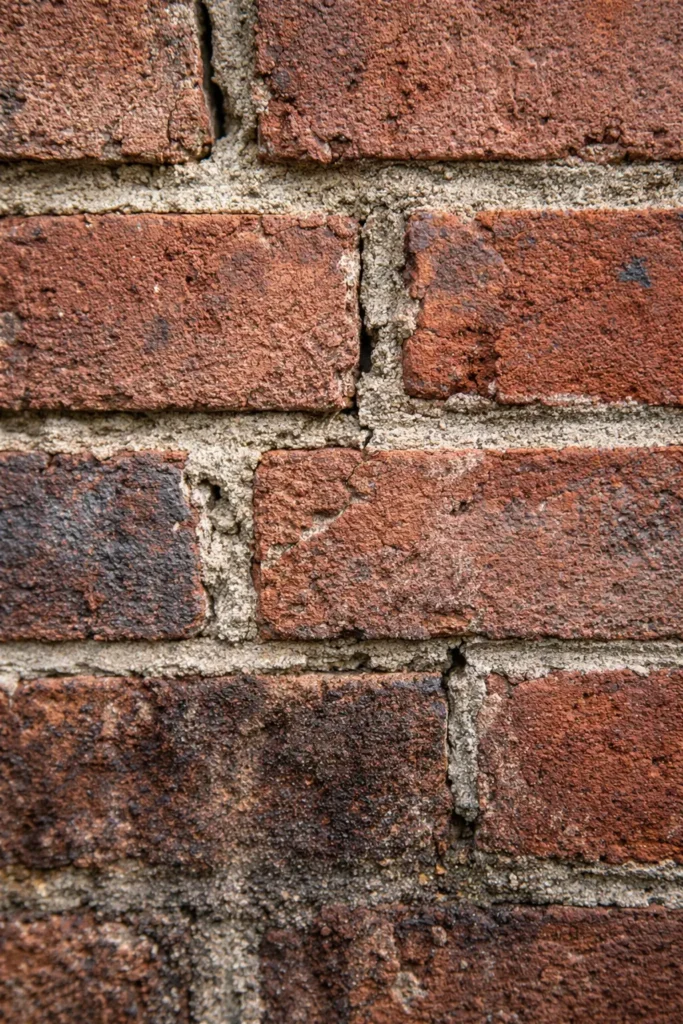
If your Ellisville home has brick walls, chimneys, or masonry accents, you may be noticing cracks in the mortar, crumbling joints, or moisture stains. These issues raise an important question: Is it time for tuckpointing in Ellisville, MO?
In Greater St. Louis, our homes endure heavy rainfall, humidity, intense summer heat, and harsh winter freeze–thaw cycles, all of which wear down mortar faster than many homeowners expect. Left unchecked, weakened mortar can lead to leaks, drafts, and even structural risk.
Whether you’re a homeowner, landlord, or preparing your property for sale, understanding tuckpointing is essential to protecting your investment and preserving your home’s beauty.
This guide walks you step-by-step through what tuckpointing is, how it strengthens and restores brickwork, what you can safely check yourself, and when to call the masonry experts at Exterior Building Solutions for a professional assessment.

What Tuckpointing in Ellisville, MO, Means for St. Louis Homeowners
Tuckpointing is the process of removing damaged mortar between bricks and replacing it with fresh, properly matched mortar. In St. Louis’s climate marked by temperature swings, driving rain, and shifting soil, mortar joints deteriorate faster than in many parts of the country.
Worn mortar can lead to:
- Water seeping into the wall
- Interior leaks around windows or chimneys
- Brick shifting or cracking
- Premature deterioration of siding, fascia, or roofing materials
Tuckpointing restores the strength of masonry by sealing those vulnerable joints and preventing moisture from entering. This protects connected systems like roofing, siding & gutters, and windows core services EBS provides across the St. Louis region.
Outcomes for homeowners:
- Stops leaks before they spread
- Prevents costly structural damage
- Improves energy efficiency by eliminating drafts
- Revitalizes curb appeal with cleaner, sharper brick lines
Simple Checks You Can Do Before Calling EBS
These checks are safe to perform without ladders or roof access:
- Walk your home’s perimeter and scan mortar lines for gaps, discoloration, or missing sections.
- Check interior walls near chimneys, fireplaces, or brick surfaces for moisture spots.
- Review past storm events if you’ve recently had heavy rain or hail, brick joints may have taken a hit.
- Observe your chimney after wet weather for slow-drying patches, which may indicate absorption through failed joints.
If you see any of these signs, call EBS for a free tuckpointing assessment.
Important Safety Reminders for Homeowners
- Do not climb roofs or chimneys without proper safety gear.
- Avoid attempting mortar grinding, improper technique can damage brick.
- Never pull out loose bricks; they may be load-bearing.
- Keep ladders off uneven ground and away from slick winter surfaces.
- Trust EBS technicians who are trained, insured, and equipped for full masonry repairs.
A Real Ellisville Success Story
A classic red-brick colonial home in the Ellisville Westbrooke neighborhood showed signs of mortar decay around its chimney and front porch columns. After a heavy spring storm, water began staining the interior wall near the fireplace.
EBS inspected the home, identified failing mortar joints and minor brick spalling, and completed a full tuckpointing project with color-matched mortar. The result:
- Leaks stopped immediately
- Brick surfaces looked new again
- The homeowner’s cooling and heating draft issues improved
- Insurance paperwork was handled smoothly
This is the kind of peace of mind that EBS brings to every St. Louis homeowner.
How to Know It’s Time to Call EBS (Your Next Steps)
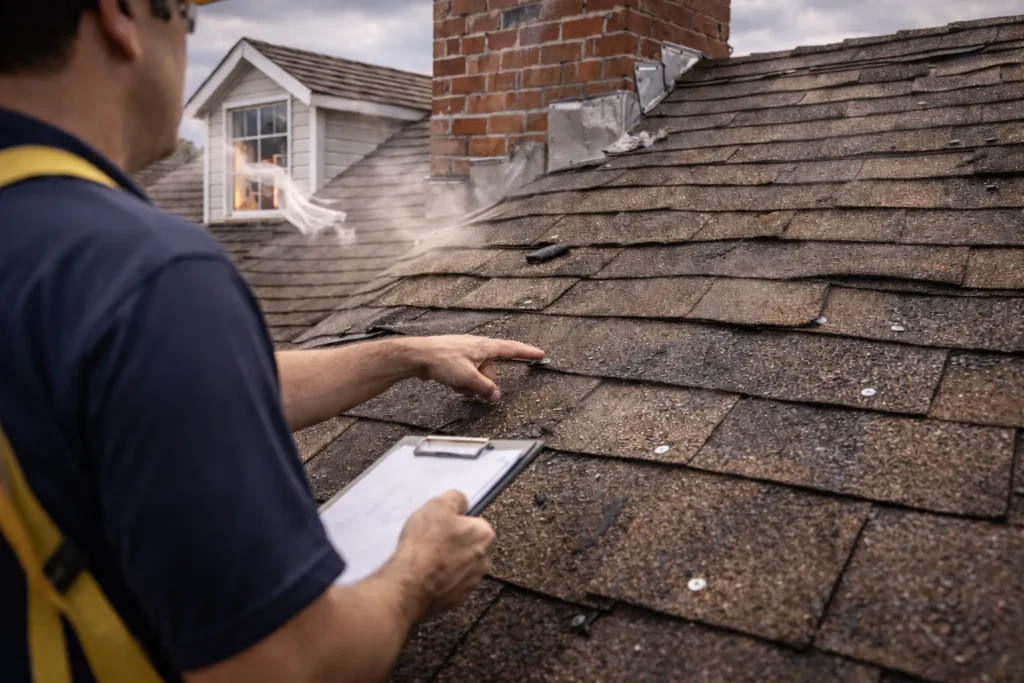
If you notice any of these, it’s time to call EBS:
- Cracked or missing mortar
- Water stains inside or outside
- Chimney leaning or cracking
- Brick shifting or flaking
- Interior drafts near masonry walls
- Recurring efflorescence
Next Steps
- Document what you see photos, notes, storm dates.
- Schedule a free assessment with Exterior Building Solutions.
- Ask EBS to prioritize urgent issues versus long-term preventive repairs.
Frequently Asked Questions (FAQs)
1. What is tuckpointing and why is it needed for Ellisville homes?
Tuckpointing removes damaged mortar and replaces it with fresh, durable material to prevent leaks and structural deterioration. Ellisville’s weather accelerates mortar wear, making periodic repairs essential. EBS provides free assessments to help you determine your home’s needs.
2. How do I know if my home needs tuckpointing?
Look for crumbling mortar, white residue, brick cracking, or interior moisture near masonry walls. These are early warning signs. If you’re unsure, EBS can inspect your home and offer expert guidance.
3. Can I tuckpoint my home myself?
DIY mortar repairs are risky and often lead to mismatched mortar, brick damage, or incomplete sealing. Professionals use specialized tools to protect the brick surface. EBS ensures safe and long-lasting results.
4. How long does tuckpointing last?
When done professionally, tuckpointing can protect your home for decades. Longevity depends on weather exposure and maintenance. EBS uses durable mortar and industry-best methods for lasting protection.
5. Is tuckpointing covered by insurance?
Sometimes, especially if storm damage or sudden brick movement caused the issue. EBS can help you evaluate the situation and assist with documentation for claims.
Let EBS Help You Restore What Matters Most
Tuckpointing in Ellisville, MO, is one of the most effective ways to protect your home from moisture damage, improve energy efficiency, and renew its timeless curb appeal. With St. Louis’s challenging weather, staying ahead of mortar deterioration is key to preserving your property’s long-term value. Restore strength and beauty to your brickwork starting today.
– Schedule a free masonry inspection with Exterior Building Solutions.
– Explore our roofing, siding & gutters, or window replacement services to protect your home further.