One of the most common questions property owners ask is simple, but the answer rarely is: Should I repair my roof, or is it time to replace it? When you own a commercial building, that decision affects safety, operating costs, and long-term value.
In Greater St. Louis, roofs take a beating. Heavy rain, summer heat, hailstorms, and freeze–thaw cycles can turn small issues into expensive problems fast. Older buildings across St. Louis City, County, St. Charles, and Jefferson County are especially vulnerable.
This guide is designed for commercial property owners, landlords, HOAs, and business operators who want clear answers. You’ll learn when repairs make sense, when replacement is the smarter move, and how a commercial roofing contractor in Missouri, like Exterior Building Solutions, can help you decide with confidence.
What “Commercial Roofing Contractor Missouri” Means for St. Louis Property Owners
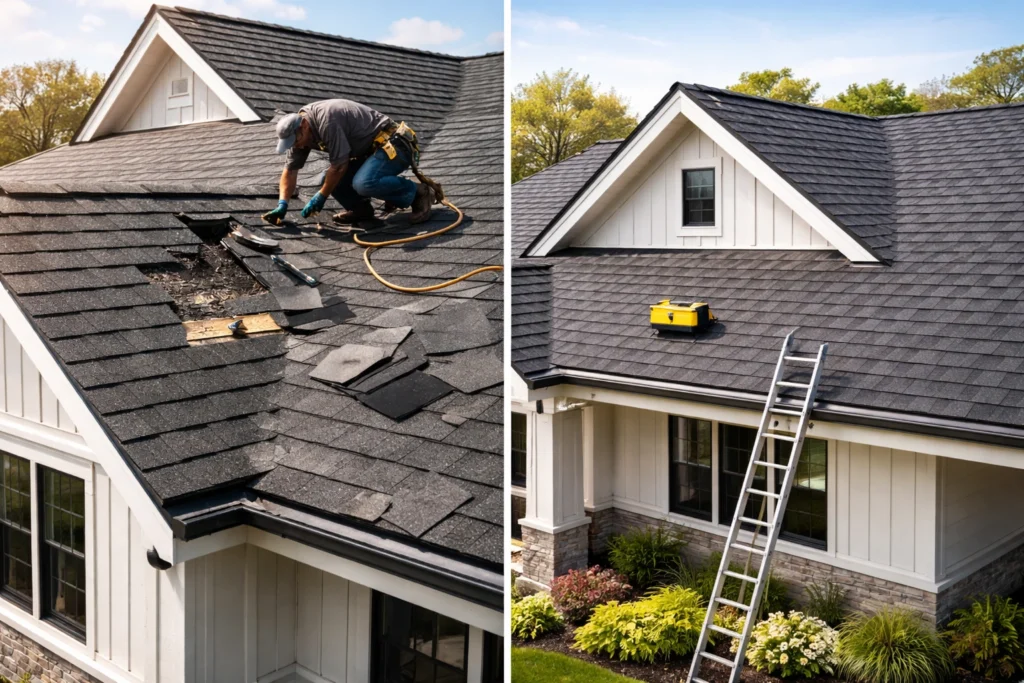
A commercial roofing contractor in Missouri isn’t just someone who installs roofs. It’s a local expert who understands regional weather patterns, building codes, and the unique challenges of Midwest commercial structures.
At Exterior Building Solutions, roofing inspections often reveal related issues beyond the roof itself, like clogged gutters, failing siding, cracked masonry, or aging windows. That’s why EBS offers integrated exterior services, including:
- Commercial & residential roofing
- Siding & gutter systems
- Window replacement
- Masonry & tuckpointing
- Storm damage assessments
The goal is simple: stop leaks at the source, protect the structure, and improve efficiency and curb appeal.
A Clear Guide to Essential Terms
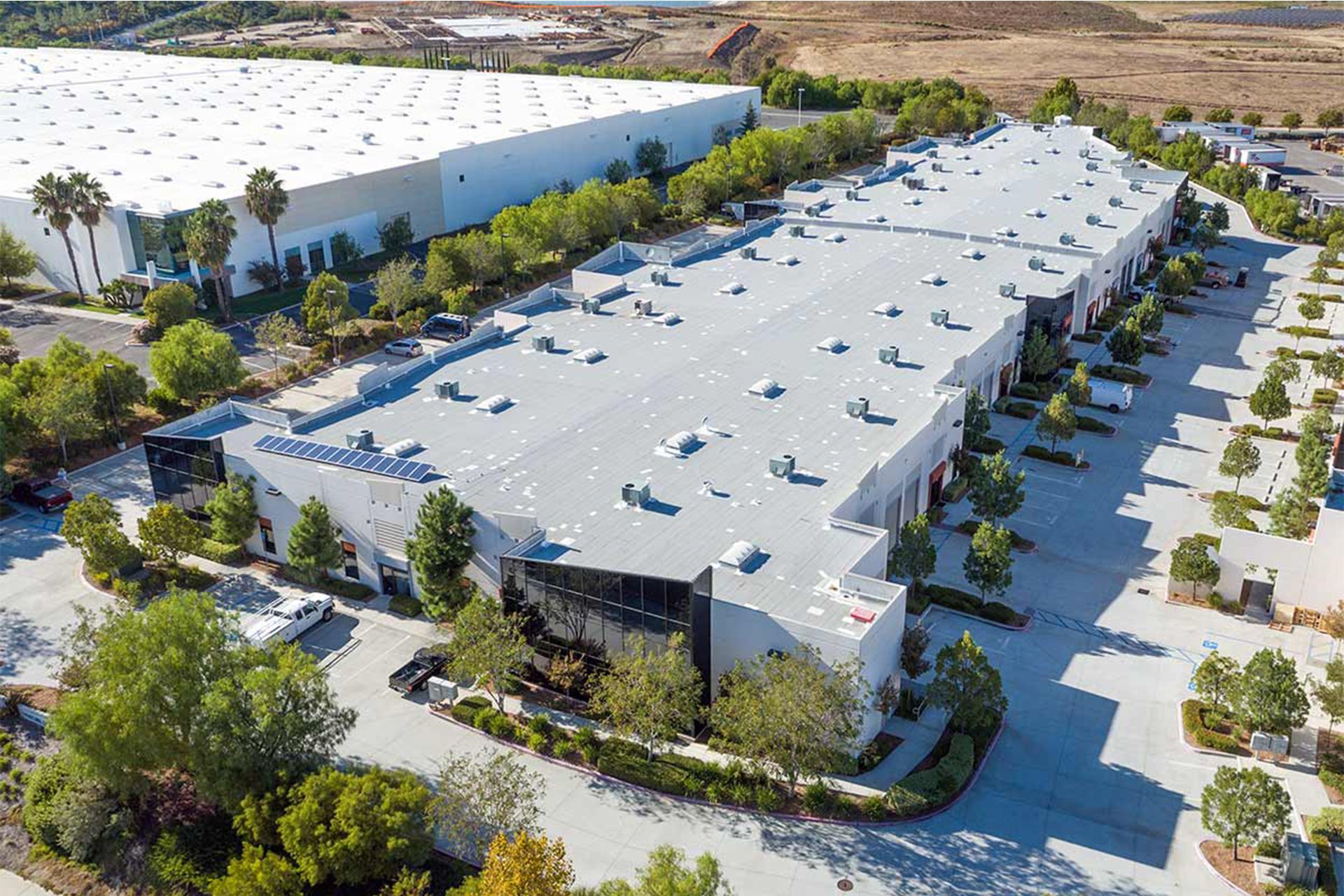
- Roof Membrane: The waterproof layer on flat or low-slope roofs. EBS inspects for punctures and seam failure.
- Flashing: Metal seals around edges, vents, and walls. Loose flashing is a common leak source.
- Ponding Water: Standing water after rain. Signals drainage or slope issues.
- Blistering: Bubbles under the membrane caused by trapped moisture or heat.
- Decking: The structural base beneath the roofing system. If compromised, replacement is often required.
- Granule Loss: On sloped systems, it indicates aging and UV damage.
- Freeze Thaw Damage: Expansion and contraction that widens cracks over time.
Don’t Ignore These Warning Signs
- Recurring leaks: Often signal system-wide failure rather than isolated damage
- Water stains or mold inside: Moisture intrusion that may affect insulation or structure
- Visible membrane cracks or splits: Weather-driven deterioration
- Rising energy bills: Heat or air escaping through roof weak points
- Sagging areas: Possible structural or decking issues
Safe step: Document the issue with photos from inside or the ground.
Call EBS when: Leaks repeat, spread, or appear after storms.
Simple Checks You Can Do Before Calling EBS
- Look for water stains on ceilings or upper walls
- Check gutters for excessive granules or debris
- Note areas where snow or water lingers longer
- Review the roof’s age and repair history
If problems are recurring or the roof is 15 to 20+ years old, it’s time for a professional inspection.
Safety Notes You Shouldn’t Ignore
- Never walk on a commercial roof without training
- Avoid ladders during wet or icy conditions
- Hidden structural damage can collapse under weight
- Improper DIY repairs often void warranties
- EBS is fully licensed, insured, and properly equipped
A Real St. Louis Roofing Story
Property: A mid-size office building in St. Charles County
The Challenge: Persistent leaks that surfaced every time heavy rain rolled through, disrupting daily operations and raising concerns about long-term damage
What We Found: Worn flashing and an aging roof membrane that could no longer keep water out during Missouri’s intense storms
The Solution: A strategic partial roof replacement paired with upgraded flashing, designed to strengthen vulnerable areas without unnecessary work
The Result: Leaks were eliminated, insulation performance improved, and the building gained years of added roof life without the cost or disruption of a full replacement
If You Notice These, It’s Time to Call EBS
- Leaks that return after repairs
- Visible roof surface damage
- Overflowing or sagging gutters
- Cracked exterior masonry
- Drafty upper floors or moisture smells
Next Steps
- Take photos and notes
- Contact EBS for a free assessment
- Get clear priorities, urgent vs. optional
How Exterior Building Solutions Handles Commercial Roofing Projects
- Free inspection & documentation
- Clear repair vs. replacement recommendation
- Insurance coordination if needed
- Professional installation or repair
- Final walkthrough & maintenance advice
Frequently Asked Questions (FAQs)
- How long does a commercial roof last in Missouri?
Most commercial roofing systems last between 15 and 30 years, depending on the material and how well they’re maintained. Missouri’s storms, heat, and freeze–thaw cycles can shorten that lifespan if issues go unchecked. EBS offers free evaluations to help you understand your roof’s current condition and remaining life.
- Is it cheaper to repair or replace a commercial roof?
Repairs are usually less expensive upfront and work well for isolated problems. When damage is widespread or the roof is near the end of its lifespan, replacement often delivers better long-term value. A professional inspection helps prevent repeated repairs that cost more over time.
- Can storm damage mean full replacement?
Yes, especially if water reaches the insulation, decking, or structural components. Hidden storm damage can continue to worsen even after temporary fixes. EBS documents damage thoroughly and helps streamline the insurance claims process.
- Do I need to close my business during roofing work?
In most cases, businesses can remain open throughout the project. Work is carefully scheduled to reduce noise, maintain access, and protect employees and customers. Safety and minimal disruption are always top priorities.
- How do I get a roof inspection?
Scheduling an inspection is quick and easy with Exterior Building Solutions. The assessment is free, no-obligation, and tailored to your building’s needs. Simply contact EBS to get clear answers and expert guidance.
Work with a Trusted Commercial Roofing Contractor in Missouri
Choosing between repair and replacement doesn’t have to be stressful. With guidance from a trusted commercial roofing contractor in Missouri, you can protect your building, your budget, and your peace of mind.
Schedule a free commercial roof inspection with Exterior Building Solutions today.
Explore our roofing services, learn about our storm damage expertise, or see our work in the gallery.